3+2 vs. Simultaneous 5-Axis Machining: Which Approach Fits Your Shop?
Frequently Asked Questions about 3+2 Machining and 5 Axis CNC
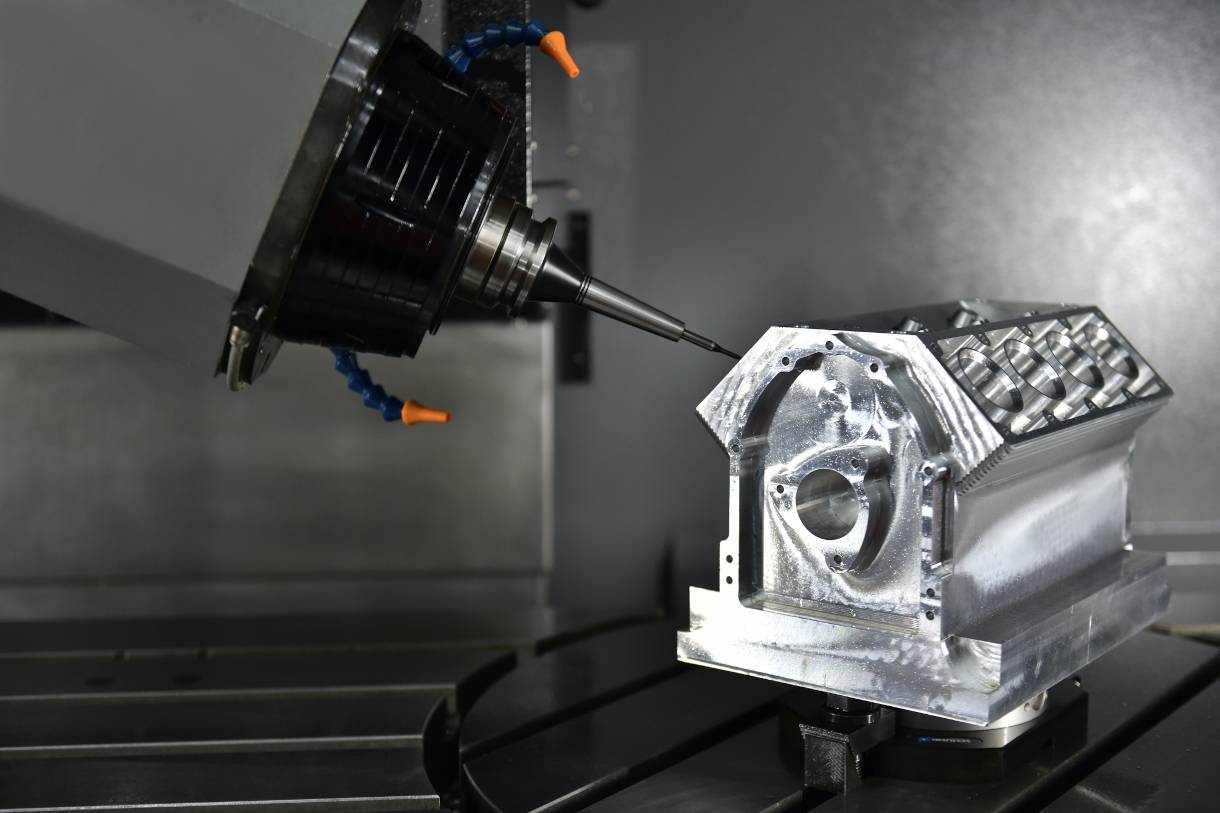
Not exactly. A 3+2 setup uses a 5 axis CNC machine, but it only moves three linear axes during the actual cutting process. The two rotary axes strictly position the part and then lock. True simultaneous 5 axis machining moves all five axes at the exact same time while the tool cuts the material. Both processes run on the same hardware, but the programming strategies and part applications differ significantly.
Yes. This represents the most common progression path for growing machine shops. You buy a 5 axis CNC machine and learn 3+2 first. This allows you to immediately reduce setups and boost profit margins. As your CAM skills improve and part complexity increases, you can easily transition into programming simultaneous toolpaths. You need no additional hardware to make this leap.
Most modern standard CAM packages support 3+2 positional machining without requiring a dedicated, expensive 5-axis module. It simply uses standard 3-axis toolpaths applied to custom work planes. However, true simultaneous 5 axis machining typically requires purchasing an add-on license for your CAM software, along with a much more advanced post-processor configuration to handle the complex continuous motion.
Industry estimates consistently suggest that about 85% of all multi-axis parts can be produced efficiently using just 3+2 or 4+1 positioning. True simultaneous 5 axis machining is typically only necessary for the remaining 15% of parts. This small percentage primarily consists of highly complex sculpted surfaces, such as aerospace turbine blades, impellers, and organic medical implant geometries.

