Horizontal Machining Centers: When They Fit Your Production
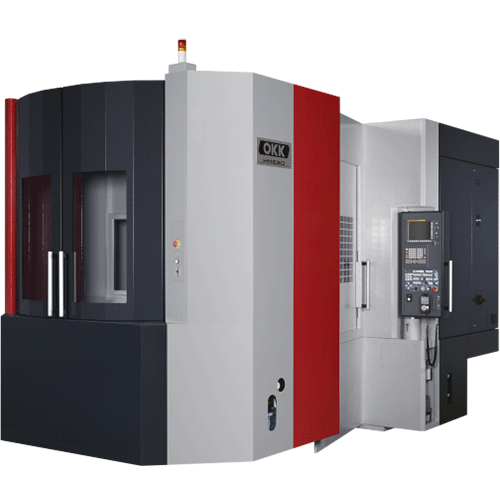
A horizontal machining center is a strong fit when the part, fixture, and production plan benefit from chip evacuation, side-face access, stable cutting, and a repeatable palletized workflow. It is not the automatic next step after a vertical machine, and it is not a substitute for every 5-axis application. The right choice depends on a few factors. Part geometry, production mix, workholding, setup strategy, and process repeatability determine whether an HMC is the right fit for you.
For many shops, the decision starts with a practical question: where is time being lost today? If operators are repeatedly clearing chips, reorienting parts, rebuilding setups, or managing recurring jobs, astandardized, horizontal machining may deserve a closer look.
Key Takeaways
- Horizontal machining centers fit best when the work rewards chip control, side-face access, repeatable fixturing, or pallet-based production.
- The machine decision should be tied to the fixture and pallet plan, not only the part size or machine envelope.
- Vertical machining centers often remain the flexible choice for broad high-mix work, prototypes, and parts that can be machined from one primary direction.
- 5-axis machining is usually evaluated for complex geometry, controlled tool orientation, and reduced handling on multi-sided parts.
- Methods Machine Tools offers horizontal machining centers and can help compare the machine, workholding, automation, and engineering support needs behind the application.
When Horizontal Machining Centers Fit the Work
Horizontal machining centers are a sensible option when a shop can identify a repeatable pattern in the work. That might be a family of housings, brackets, plates, valve bodies, or structural components with similar locating surfaces and recurring features. The more predictable the part family is, the easier it is to build a fixture and pallet strategy around it.
Chip behavior is also a significantreason shops evaluate horizontal machining. With the spindle oriented horizontally, chips can move away from the cut easier and more naturally than they would on vertical setups. Most notably, reliable chip evacuation matters on parts with pockets, cavities, deep features, or heavy chip generation.
Let’s look at part access. Horizontal machining can be useful when features are located on multiple faces, especially when you want to reduce repeated manual repositioning. With the right fixture or indexing strategy, more of the process can stay controlled in a planned setup.
Size and weight should be part of the review, but they should not be the only reason to choose a horizontal platform. A large part with simple top-side machining may still fit a vertical machine. A repeatable part with side features, heavy chip generation, and recurring setup demands may point more strongly toward horizontal machining.
Horizontal vs. Vertical Machining
The choice between horizontal and vertical CNC machining centers is an application decision. Vertical machines are familiar, flexible, and practical for many shops because the spindle approaches the work from above. They often fit prototypes, broad high-mix work, plates, and parts that can be machined efficiently from one main orientation.
Horizontal machines are often considered when a shop wants stronger chip evacuation, side-face access, heavier workpiece handling, or a more repeatable pallet and fixture plan. Many manufacturers use both machine types, with vertical machines supporting flexible work and horizontal machines supporting production streams that justify more structured workholding.
| Decision Point | Vertical Machining Fit | Horizontal Machining Fit |
| Work mix | Broad high-mix work, prototypes, and changing jobs | Repeatable part families and planned production work |
| Part access | Features accessible from one primary direction | Side-face machining or multi-face access with planned workholding |
| Chip control | Open features and jobs where chips are manageable | Deep features, cavities, or heavier chip loads |
| Setup strategy | Flexible setups for changing work | Standardized fixtures, pallets, and recurring setup plans |
The key is not whether one machine type is universally better. It is whether the work rewards flexibility or repeatability more.
Horizontal vs. 5-Axis Machining
Horizontal machining and 5-axis machining can overlap, but they solve different problems. 5-axis CNC machining centers are typically evaluated when the part requires complex geometry, access from multiple angles, or controlled tool orientation. This can matter for impellers, turbine blades, implants, mold features, and other parts that are difficult to reach with simpler axis motion.
Horizontal machining is often evaluated for production flow, chip evacuation, side-face access, and palletized repeatability. A complex contoured part may point toward 5-axis. A repeatable part that needs strong chip control and a planned pallet workflow may point toward horizontal machining. Some applications may require both.
The safest comparison starts with the actual part. Review the required faces, datum structure, material, setup count, cutting access, fixture plan, and inspection process before deciding which platform should lead the conversation.
Fixturing, Pallet, and Automation Planning
A horizontal machining decision should include fixturing early in the process. The fixture determines how the part is located, clamped, loaded, cut, inspected, and repeated. Without that planning, the machine may not deliver the expected production gain because the bottleneck can move from cutting to setup.
Start with the surfaces that locate the part and the features that matter most to the finished component. The fixture should hold the part securely without blocking required tool paths or inspection access. It should also make sense for the operator, including loading direction, part weight, chip clearance, and repeat location from pallet to pallet.
Pallet planning should account for more than machine capacity. Shops should review how pallets will be prepared, where fixtures will be stored, how work in process will move, and how operators will know which setup is ready next. If CNC automation services are part of the long-term plan, automation should be considered with the machine, workholding, and production schedule rather than added after the fact.
Inspection planning belongs in the same conversation. Multi-face machining is only useful if the shop can verify the important features and trace variation back to the fixture, pallet, tool, program, or process. For recurring work, the goal is a repeatable process that produces acceptable parts across shifts, batches, and future reruns.
How Methods Supports Horizontal CNC Machining Decisions
Methods Machine Tools offers 4-axis, and 5-axis horizontal machining centers, along with related engineering services and turnkey automation conversations for production-focused applicationsOur guidance is not a simple machine comparison. It is a production plan that connects the machine, workholding, pallet workflow, cutting process, inspection plan, and support needs.
A useful review should include part drawings or models, materials, quantities, current setup steps, fixture assumptions, inspection requirements, operator constraints, and automation goals. From there, Methods can help compare horizontal machining with vertical, 5-axis, and automation options based on the work the shop needs to run.
Horizontal Machining Center FAQs
When does a horizontal machining center make sense?
A horizontal machining center makes sense when the work benefits from side-face access, chip evacuation, repeatable fixturing, pallet workflow, or a production strategy built around recurring part families.
Is a horizontal machining center better than a vertical machining center?
Not necessarily. Vertical machining centers are often a practical fit for flexible high-mix work, prototypes, and parts that can be machined from one primary direction. Horizontal machining can be a better fit when chip control, side access, heavier work, and repeatable pallet planning matter more.
How does horizontal machining compare with 5-axis machining?
5-axis machining is usually evaluated for complex geometry, controlled tool orientation, and reduced handling on multi-sided parts. Horizontal machining is often evaluated for production flow, chip clearance, side-face access, and repeatable palletized work.
Why are fixtures and pallets important for horizontal machining?
Fixtures and pallets help determine whether the process can repeat consistently. They affect how parts are located, clamped, staged, inspected, and rerun. A horizontal machine should be evaluated with the workholding plan, not separately from it.
Can horizontal machining support automation?
Yes, horizontal machining can be part of an automation conversation when the part family, fixture design, pallet workflow, and production schedule support it. Automation should be evaluated early so the machine and loading strategy work together.
Talk with Methods About Horizontal Machining Centers
If your shop is evaluating repeat part families, larger workpieces, multi-face machining, or palletized production, Methods Machine Tools can help review the application and compare horizontal machining centers with vertical, 5-axis, and automation options. Contact Methods to start a conversation based on your parts, production mix, and capacity goals.